
Mental Health, Nutrition, and the Power of Better Food
The topic of mental health continues to receive widespread attention, especially in the wake of ongoing violence that affects communities across the country.
As conversations grow, so does the urgency to find meaningful solutions. We'd like to contribute to that conversation by focusing on one area we often overlook:
The connection between mental health and nutrition.
The State of the American Diet
As many already know, the Standard American Diet (SAD) has been struggling for generations.
It’s largely defined by:
- Ultra-processed foods
- Refined grains
- Sugar-heavy beverages
- Industrial farming practices
- Cheap, low-quality ingredients
The Western diet is dominated by convenience: pre-packaged foods, fried meals, refined oils, and factory-raised animal products. At the same time, the cost of high-quality, nutrient-dense food is often cited as a barrier. But it raises an important question:
Is good food really expensive—or are we underestimating the long-term cost of poor nutrition?
When you consider:
- Chronic disease
- Reduced productivity
- Healthcare costs
- Declining quality of life
…the equation begins to shift.
Mental Health by the Numbers
Organizations like Mental Health America report that:
- 1 in 5 adults in the U.S. experience mental illness
- Over half receive no treatment
- 60% of youth with major depression go untreated
These numbers highlight a critical gap. And while treatment access is a complex issue, it leads to another question:
What can we do, within our control, to improve outcomes?
Can Nutrition Play a Role?
Food is one of the few factors we engage with every single day. Emerging research suggests that diet quality may play a significant role in mental health.
Studies show that higher consumption of ultra-processed foods (UPFs) is associated with:
- Increased rates of depression
- Higher levels of anxiety
- More frequent “mentally unhealthy” days
In one study of over 10,000 adults, individuals consuming 60% or more of their calories from ultra-processed foods reported significantly worse mental health outcomes.
Other research has linked high UPF intake to accelerated cognitive decline, affecting memory, learning, and problem-solving abilities.
While this does not prove causation, the association is strong and consistent. It’s also important to note that the relationship works both ways:
Poor diet can influence mood, but stress, anxiety, and depression can also drive unhealthy eating habits.
How Did We Get Here?
To understand the present, we need to look back.
Modern factory farming began in the 1930s, driven by efficiency, scale, and profit. By the 1970s, agricultural policy accelerated this shift, encouraging farmers to industrialize production.
At the same time, dietary guidance began to change. Low-fat diets were widely promoted in an effort to reduce heart disease. But as food manufacturers adapted, fat was often replaced with sugar—leading to highly processed “low-fat” products that were no healthier.
By the 1990s:
- Processed foods dominated grocery shelves
- Food marketing blurred the line between health and convenience
- Eating habits shifted toward accessibility over quality
Combined with social changes like dual-income households and increased reliance on convenience foods, the modern food system took shape.
The Impact on Health
The result is a diet that is:
- Calorie-dense but nutrient-poor
- High in sugar and refined ingredients
- Low in essential vitamins and minerals
This imbalance contributes to:
- Chronic inflammation
- Weakened immune function
- Increased risk of long-term disease
Nutrition plays a foundational role in overall health—including brain health.
Key nutrients like:
- Protein
- Iron
- Zinc
- Vitamin D
Support immune response, cognitive function, and emotional regulation.
A Practical Starting Point
Improving nutrition doesn’t require a complete lifestyle overhaul. Sometimes, it starts with one simple change:
Upgrading the quality of the food you already eat.
Chicken is one of the most widely consumed proteins in the world. It’s versatile, accessible, and part of many cultural traditions. But not all chicken is the same.
Why Quality Matters
The way chicken is raised directly impacts its nutritional value.
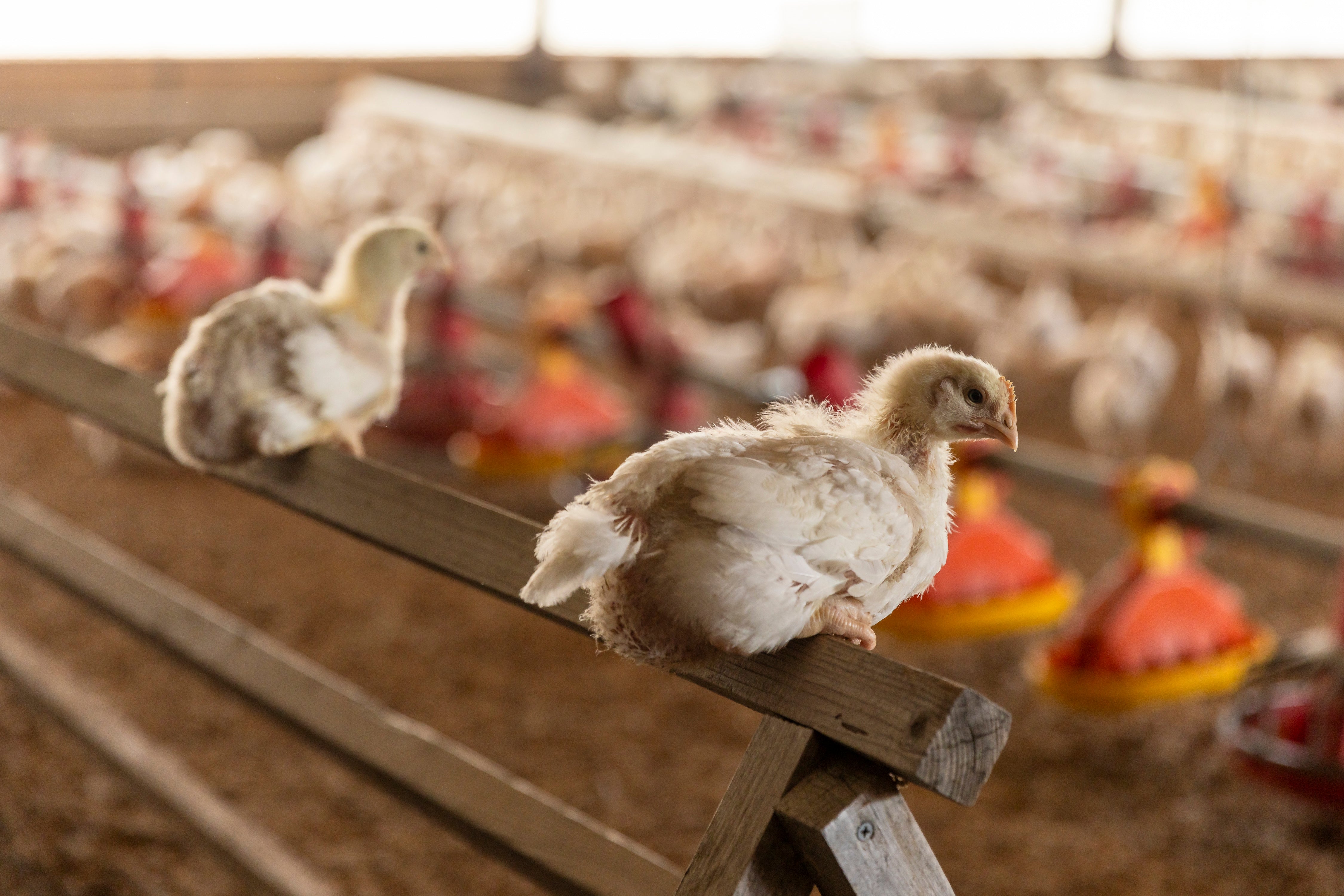
Conventional chicken—produced in confined environments differs significantly from pasture-raised chicken.
Research shows that pasture-raised chicken can contain:
- Higher levels of omega-3 fatty acids
- More iron
- Significantly higher levels of vitamin E
- A better omega-6 to omega-3 ratio
Why does this matter? Because you are, in many ways, what your food eats.
Animals raised on nutrient-rich diets produce more nutrient-dense meat.
Understanding Fats and Inflammation
Not all fats are created equal.
Two key types:
- Omega-3 fatty acids → help reduce inflammation
- Omega-6 fatty acids → can promote inflammation when overconsumed
The modern Western diet often has an imbalanced ratio—sometimes as high as 25:1, when a healthier ratio is closer to 5:1 or lower.
This imbalance has been linked to:
- Obesity
- Cardiovascular disease
- Chronic inflammation
Pasture-raised animals, with access to forage, naturally produce meat with a more balanced fat profile.
Beyond Labels
Terms like “free-range” and “organic” can be misleading.
In many cases, they only guarantee:
- Minimal outdoor access
- Not necessarily meaningful changes in animal welfare or nutrition
Pasture-raised systems go further:
- More space
- Natural movement
- Access to forage
- Improved overall health of the animal
And that translates into measurable differences in the final product.
A Small Change With Bigger Impact
The challenges facing our health system are complex. Mental health, in particular, requires a multi-layered approach. But nutrition is one area where individuals and families can take action immediately.
Choosing better-quality food:
- Supports long-term health
- Reduces inflammatory inputs
- Improves overall nutrient intake
It’s not a complete solution—but it’s a meaningful step.
Final Thought
We are facing a growing mental health crisis, alongside a food system that prioritizes convenience over quality. Reevaluating what we eat, and how it’s produced may be part of the shift we need. If there’s one takeaway, it’s this:
Better food is not just about physical health. It’s about the future of our communities.
And sometimes, that change starts with something as simple as choosing better chicken.
Share:
Chicken of the Champions: A Cajun Chicken Curry for the Win
Why Symbolism Matters And What Chicken Says About Us